
5 Things all the best hosts do
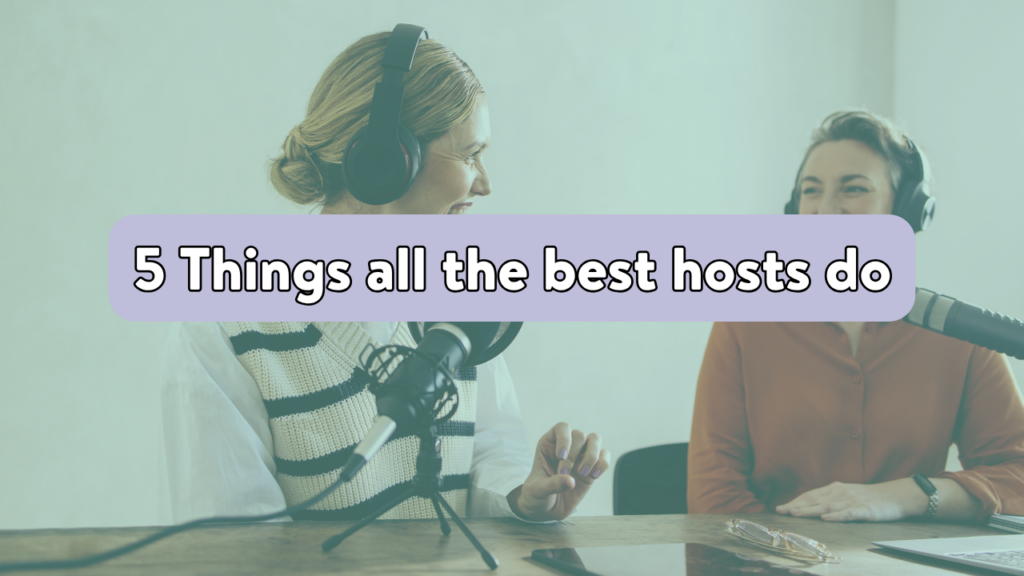
Whether you’re hosting a stand-up show, emceeing a fundraiser, leading a podcast, moderating a panel, or just trying to keep your friend’s birthday party from descending into chaos, great hosting is a skill.
The best hosts make it look effortless. They’re funny without making it about themselves. They’re organized without feeling rigid. They keep the energy up, the audience engaged, and everyone else looking hot and funny as hell.
Here are five things all the best hosts do.
LISTEN
Be present. The best hosts aren’t just waiting for their turn to speak. They’re actively listening. One great example of this is Colbert. If he asks a question, you better believe he’s LISTENING to the answer his guest gives. And NOT so that he can make another joke or top the story!
Regardless of venue or format, your job as a host is to respond to what’s actually happening in the room. Listen to your guests. Listen to the audience. Listen for callbacks, inside jokes, or moments you can bring back later.
Hosting is a conversation, not a script.
KEEP TRACK OF TIME
Respect the show. A great host always knows where they are in the run of show.
No one wants a show that’s twenty minutes behind because the emcee kept riffing. Great hosts know when to let a moment breathe and when it’s time to move right along. So keep one eye on the clock! That way, everyone else can focus on performing.
Good pacing isn’t flashy, but audiences always feel when it’s lagging.
REMAIN IN CONTROL
Keep the room steady. When something unexpected happens, everyone looks to the host.
A microphone cuts out. A comic goes long. A guest is late. An audience member gets a little too enthusiastic.
You don’t need to have all the answers—you just need to project confidence. Stay calm, make a decision, and keep things moving. If you seem like you’ve got it under control, the audience will believe you, relax, and LAUGH!
PUNCH UP
Protect the room’s energy. A host has a major influence over the tone of an event.
That means punching up—never down. Build up your performers instead of roasting them. Make the audience feel like they’re part of the fun, not the target. Resist the urge to dunk on the venue, the staff, or the volunteers who are making the show happen.
If you need a target, point your jokes at yourself, the absurdity of the situation, or something bigger than the people in the room. The best hosts leave the room feeling warmer, more excited, and ready for whoever comes next.
PASS THE SPOTLIGHT
Let everyone else have the mic. This is the secret that separates good hosts from great ones. This habit draws on the four above, but makes it SHINY.
Your audience didn’t come to hear a tight five during every introduction. They came to see the lineup you’ve assembled.
Give performers enthusiastic introductions. Celebrate their successes. Ask guests questions that let them tell their best stories. Your job is to elevate everyone around you.
Ironically, the hosts who spend the least time trying to be the star are often the ones audiences remember most. (And get booked over and over. AND have comics asking to be on their shows routinely. That makes it, what? A win-win-win-win-win?)
Hosting isn’t just about telling jokes between names on a lineup. It’s about creating an experience. A show. A party. A little razzle-dazzle, if you will.
When you listen, keep things on schedule, stay in control, maintain the good vibes, and make everyone around you look as cool as possible. People remember how the show felt and they’ll want to come back if it felt right.
Like any comedy skill, hosting gets better with practice. Every open mic, showcase, podcast, or panel is another chance to learn how to guide a room. And once you know how to host well, you’ll discover it’s one of the most valuable skills you can have in comedy.
Want to learn the Art of Hosting? We offer classes on this very things: learn more here.